The healthcare sector is changing rapidly. Demand for care is becoming more complex, staff are scarce and organisations are facing big choices about how to keep care accessible and affordable. At the same time, we see something that is often underexposed: the enormous commitment of the people who are on the shop floor every day. In this two-part blog series, Judith and Tom discuss what they see happening in the sector.
That is precisely where colleagues Judith Grob and Tom Vuorinen believe the key to real movement lies. They share a clear mission: to make an impact by focusing on the person behind the care worker while making patient care future-proof. And in doing so, helping healthcare organisations to not just conceive strategy, but to actually land it with the people who have to do it.
In this two-part blog series, Judith and Tom discuss what they see happening in the sector. About the growing complexity of care, staff shortages and the demand for a different kind of leadership. In this first part, they share their vision of strategy in a complex care environment and explain why they believe framed freedom is the key to giving direction as well as creating ownership on the shop floor.
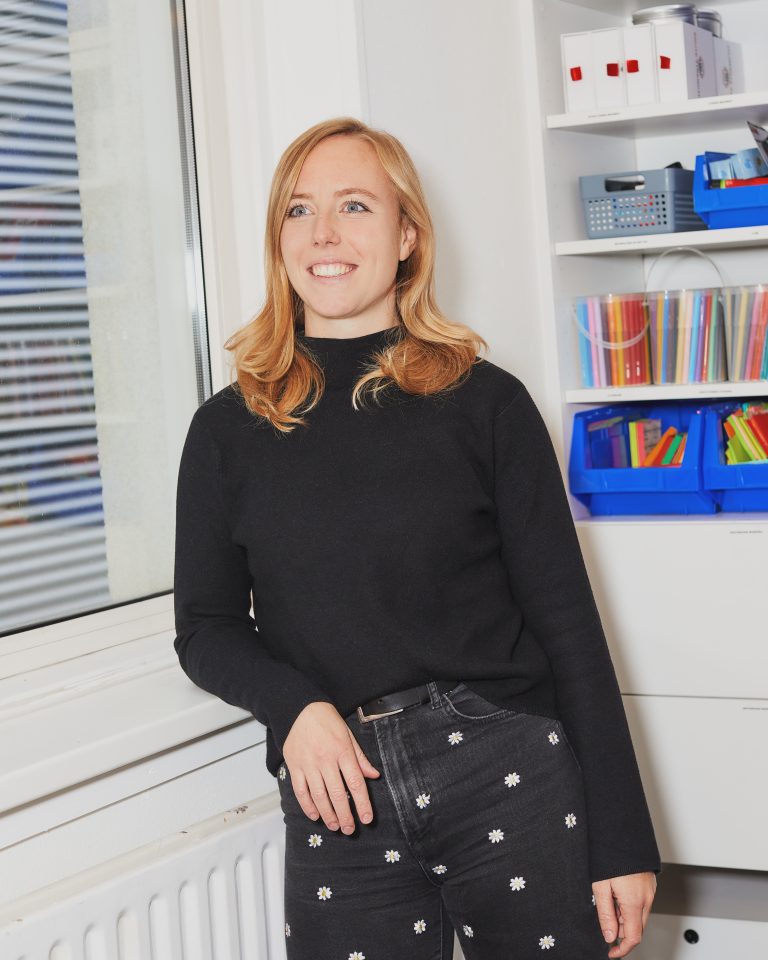
Judith Grob (Senior Consultant)
Judith is a senior consultant with a heart for healthcare. According to her, you cannot separate the social aspect from the sector: you are not just working for an organisation, but for the patient and society as a whole. “Healthcare employees are incredibly passionate about doing the best for patients, but occasionally forget about themselves,” explains Judith.
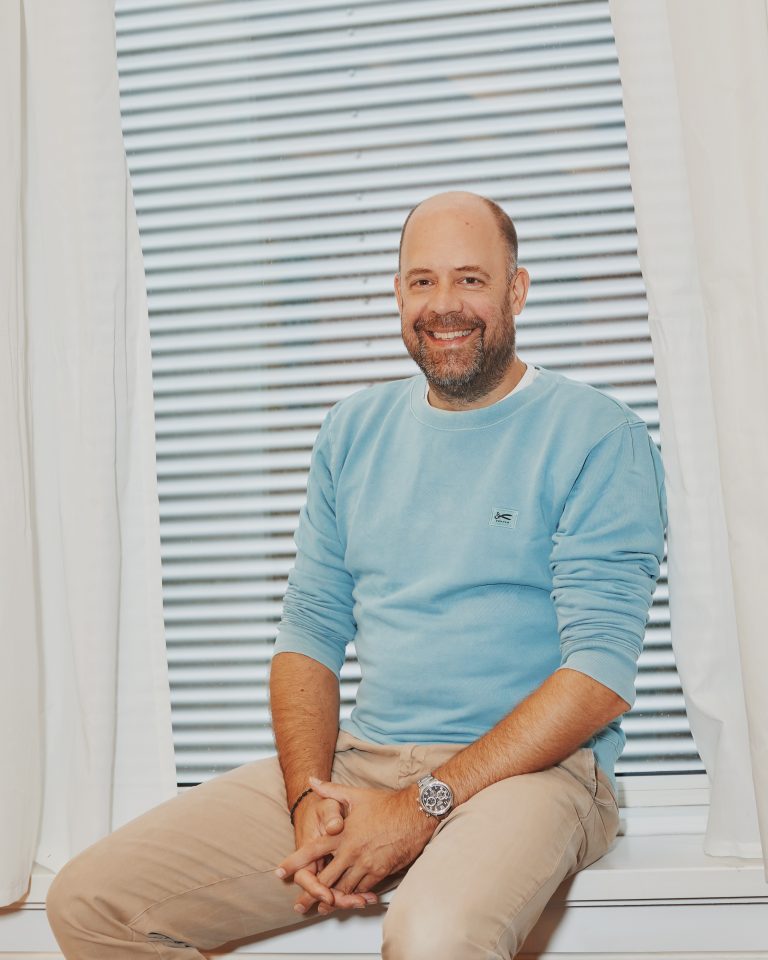
Tom Vuorinen (Partner)
As a partner at GroupMapping, Tom sees his work as a way to contribute to the ‘BV Nederland’. His motivation lies in applying GroupMapping's methodology to make organisations not only more efficient, but also more socially relevant. “I find it very important in the work I do, even if it is only a very small contribution, to be able to throw something of a stone in a river that really makes the stream flow differently”. It is precisely this movement that drives him.
In a world that is changing faster than we can sometimes keep up with, the healthcare sector faces a huge task. The demand for care is becoming more complex, the regulatory burden is increasing and there is a chronic staff shortage. The need to keep care accessible and affordable requires a different way of thinking and working. This combination of factors calls for something different from traditional consultancy processes.
Today's care is no longer the care of a decade ago. Whereas we used to often look for a single cause for a complaint or problem, we now see that the demand for care is becoming more integral. Everything is becoming more complex and everything is interconnected. This calls for an approach that does justice to how complex things really are.
At the same time, this sector is facing a structural staff shortage that is putting pressure on the sustainability of the system. “If we don't change anything, one in three people will soon have to work in healthcare to keep the system sustainable,” he says. A strategy should therefore not only be about what we do, but especially about how we do it.
One of the biggest pitfalls in strategy-making is wanting to lay down everything for everyone. This is precisely why we work with the principle of framed freedom. Think of a schoolyard. Is there a fence around it? Then children seek out the edges, discover the space and start playing. If there is no fence, they stay close together because no one knows how far you can go.
This is also how it works in organisations. Without frameworks, people remain cautious and do what they always did. If you fix everything, the space to think for yourself disappears. With framed freedom, a small group first determines the direction and boundaries: what is fixed and what must solutions meet? That is the ‘fence’ that provides clarity and grip. Within these frameworks, the rest of the organisation takes over. They decide for themselves how to implement. As Judith says: “By giving frameworks, you offer security. Giving space creates ownership.” Therein lies the balance. Too much space leads to stagnation. Too much steering takes away energy. Exactly in between, movement is created.
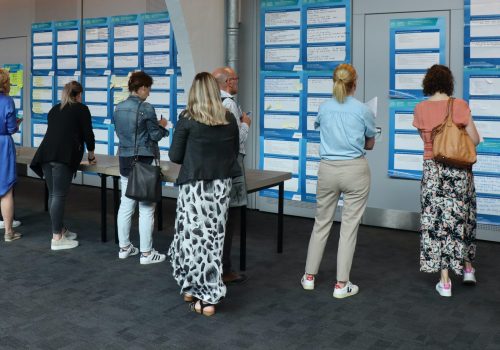
Strategy is often a word that people feel a certain distance from, as if it is something that belongs only in the boardroom. To break this, we pay attention to making the literal translation of strategy.
This is the basis for real change: “Do you understand what the strategy says?” That is the first step to being able to think about what it means to you. We often see in practice that a PowerPoint presentation is not enough. You need to engage with people to find out what they do and don't understand. Only when people understand the strategy can they start moving. Then they will start and want to help build, because you can only take ownership if you understand what you are saying ‘yes’ to and have been able to help build it. Without that understanding, ownership remains an empty concept, because you can only take ownership when you understand what you are saying ‘yes’ to.
Strategy in healthcare today requires something other than a plan rolled out from above. In an environment where practice changes every day, you can't think up everything in advance or shut everything down. That is precisely why it is important to give direction and leave room. When professionals know where the organisation wants to go, space is created to contribute to that course from their own expertise.
But that space only works if people understand what the strategy means for them. Only then will commitment develop and only then will teams themselves start looking for ways to make the course a reality in their daily work. That is where the real power of the shop floor lies.
In the second part of this blog series, Judith and Tom show how to organise that engagement in concrete terms. How do you make strategy understandable to teams? And how do you get people to work on it together?
Ready to make strategy a collaborative process?
Contact us to find out how to harness the brainpower of your entire organisation.