
Introduction
The healthcare sector is changing rapidly. The demand for care is becoming more complex, staff is scarce and organisations are facing great choices about how to keep care accessible and affordable. At the same time, we see something that is often underexplored: the enormous involvement of people on the workplace every day. Judith and Tom talk about what they see happening in the sector in this two-part blog series.
That is where, according to colleagues Judith Grob and Tom Vuorinen, the key to real movement lies. They share a clear mission: to make an impact by having an eye for the person behind the care worker and at the same time to make care for the patient future-proof. And help care organisations not only to devise strategy but also to actually land it with the people who have to do it.
In this two-part blog series, Judith and Tom talk about what they see happening in the sector. About the growing complexity of care, the shortage of staff and the demand for a different kind of leadership. In this first part they share their vision of strategy in a complex care environment and explain why framework freedom is the key to giving direction and creating ownership on the workplace floor.
Meet our experts
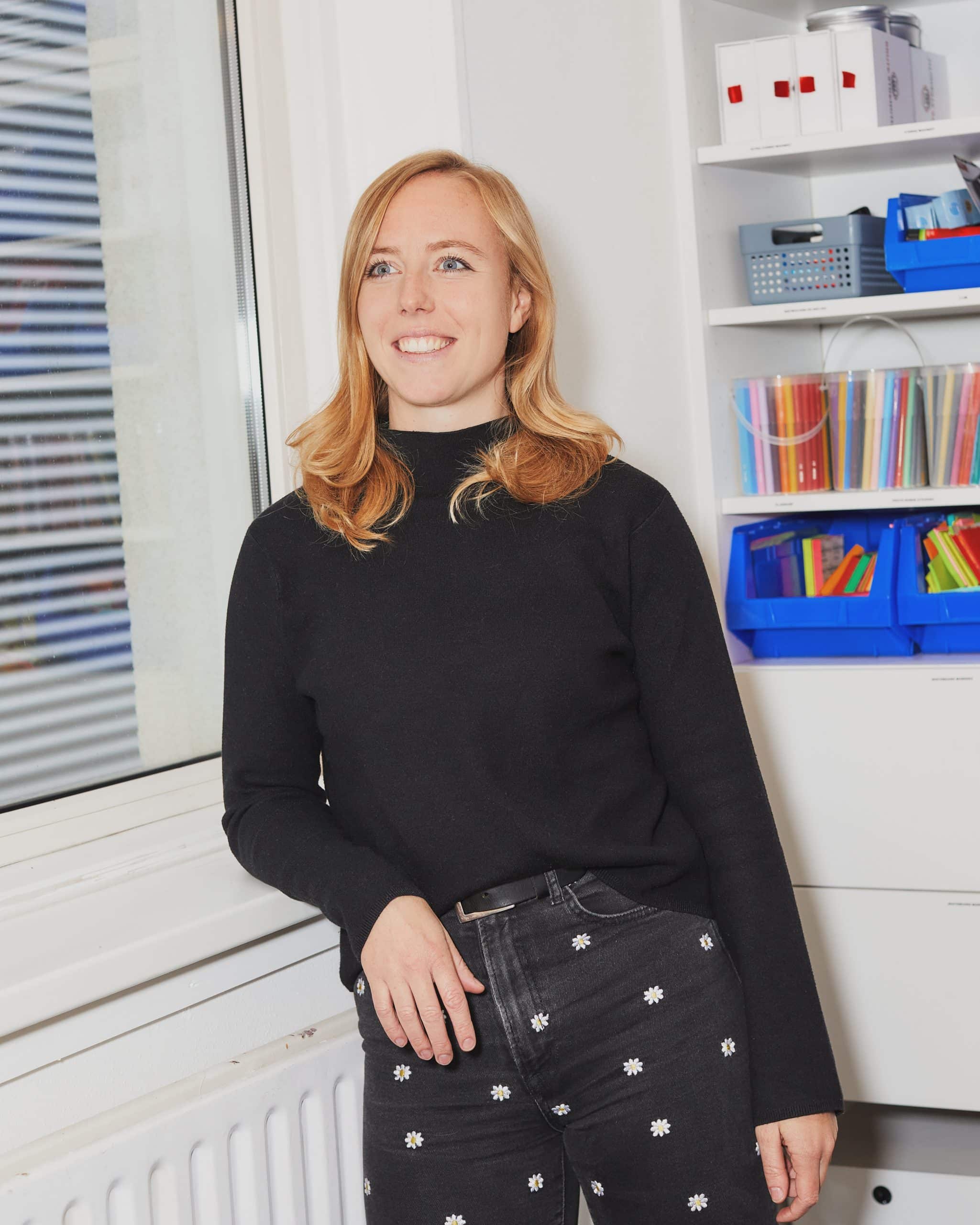
Judith Grob (Senior Consultant)
Judith is a senior consultant with a heart for care. She says that you cannot separate the social aspect from the sector: you not only work for an organisation, but for the patient and the whole society. "Employees in care have a tremendous passion to mean the best to the patient, but forget themselves occasionally," explains Judith.
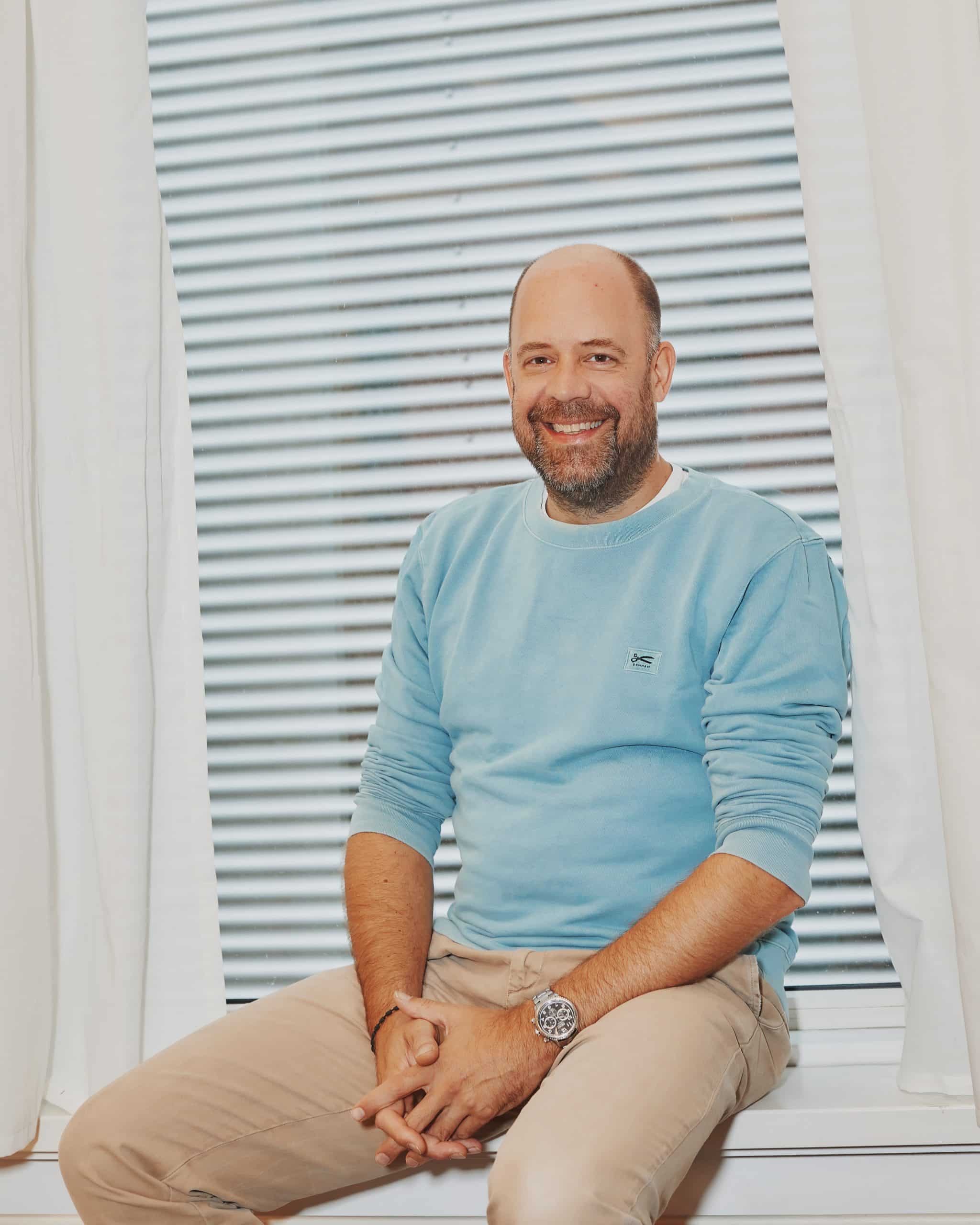
Tom Vuorinen (Partner)
As a partner in Groupmapping, Tom sees his work as a way to contribute to the 'BV Nederland'. His motivation lies in applying the methodology of Groupmapping to make organisations not only more efficient, but also more socially relevant. "I think it is very important to be able to throw something of a rock into a river in the work I do, even if it is a very small contribution, which really makes the flow run differently."
The challenges in healthcare
In a world that changes faster than we can sometimes keep up, the care sector is facing a huge challenge: the demand for care is becoming more complex, the regulatory burden is increasing and there is a chronic shortage of staff. The need to keep care accessible and affordable requires a different way of thinking and working. This combination of factors requires something different than traditional advice pathways.
The complexity of the question of care
Today's concern is no longer the concern of ten years ago. Where we used to look for one cause for a complaint or problem, we now see that the question of care becomes increasingly integrated. Everything becomes more complex and everything is connected. This requires an approach that does justice to how complex it really is.
At the same time, this sector is facing a structural shortage of staff that puts pressure on the sustainability of the system. "If we do not change anything, one in three people will have to work in care to keep the system sustainable." A strategy should therefore not be about what We do, but mostly over how We'll do it.
The playing field of framework freedom
One of the biggest pitfalls in strategy formation is that we want to capture everything for everyone. That's why we work with the principle of frame freedom. Think of a schoolyard. Is there a fence around it? Then children look up the edges, they discover the space and they go play. If there is no fence, they stay close together because no one knows how far you can go.
This is how it works in organisations. Without frameworks, people remain cautious and do what they always did. Capture everything, then the space disappears to think for themselves. With framework freedom, a small group first determines the direction and the boundaries: what is fixed and what solutions must be met? That is the 'gate' that provides clarity and solidity. Within these frameworks, the rest of the organisation takes over. They decide how they give effect. As Judith says: "By giving frameworks, you offer security. By giving space, ownership is created." There is the balance. Too much space leads to standstill. Too much control removes the energy.
The language of the workplace
Strategy is often a word that people feel a certain distance in, as if it belongs only in the boardroom. To break this, we pay attention to making the literal translation of the strategy.
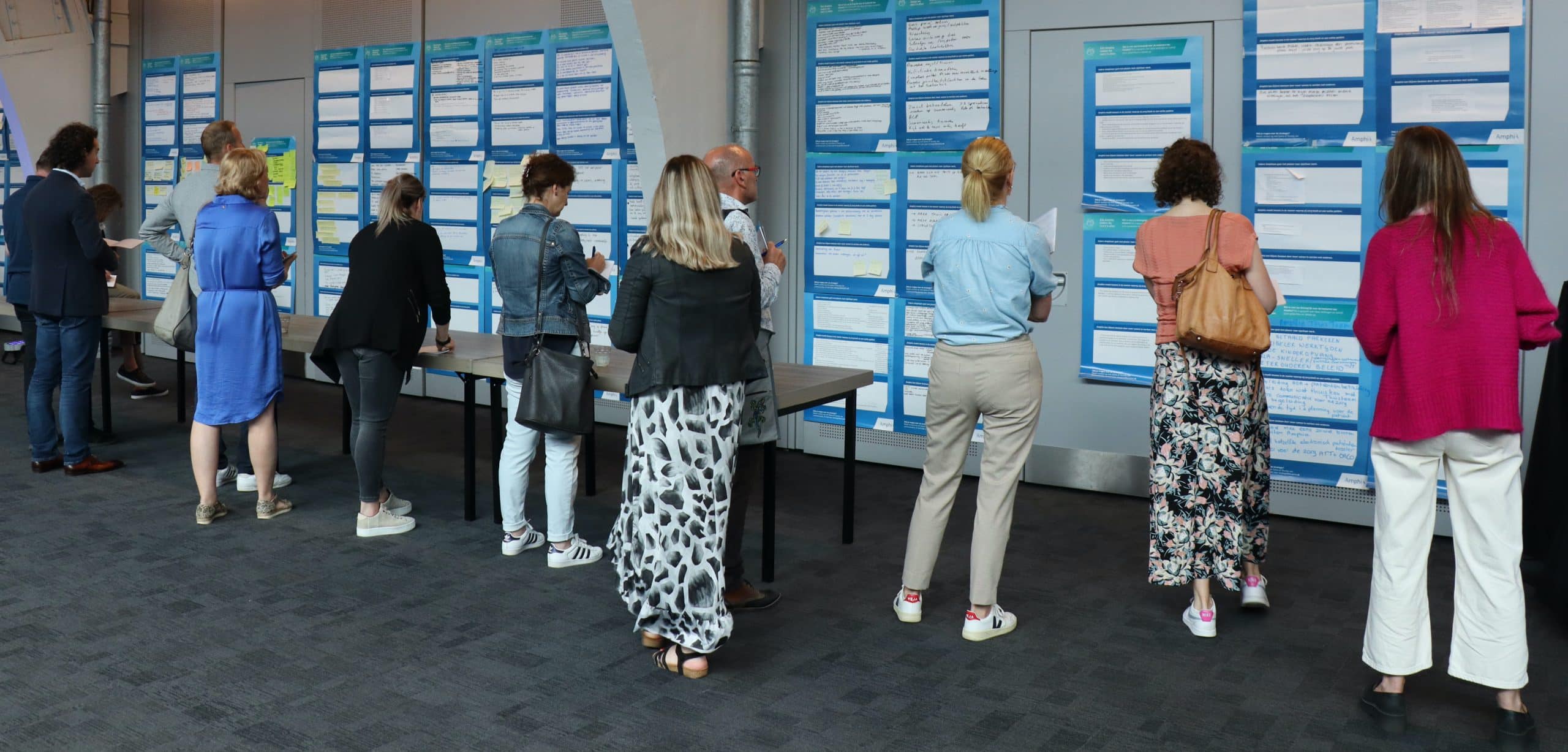
This is the basis for real change: "Do you understand what's in the strategy?" That's the first step to think about what it means to you. In practice, we often see that a PowerPoint presentation is not enough. You have to talk to people to figure out what they do and don't understand. At the moment when people understand the strategy, they can only move. Then they want to go and build, because you can only become a owner of something if you understand what you say yes to and built it with. Without that understanding, ownership remains an empty concept, because you can only become the owner of something if you understand what you say yes to.
Direction and space
Strategy in care today requires something different than a plan that is rolled out from above. In an environment where practice changes every day, you cannot think of everything in advance or close it. That is why it is important to give direction and leave space. When professionals know where the organisation wants to go, there is space to contribute to that course from their own expertise.
But that space only works if people understand what the strategy means to them. Only then will involvement arise and only then teams will start looking for ways to make the course in their daily work happen. There lies the real strength of the workplace.
In the second part of this blog series, Judith and Tom show how you organise this involvement in a concrete way. How do you make strategy understandable to teams? And how do you make people work with it together?
Ready to turn strategy into a joint process?
Contact us and find out how to use the thinking power of your entire organisation.
Sharper, faster, smarter: I want that too!
Contact us to explore the possibilities together.