
Introduction
"How do we get our employees?"
We often hear this question when a management launches a new course. Logical, the plans are ready and the rest of the organisation has to get started with it.
This issue does not require 'how' to get employees involved, but 'when' to involve them and in what way.
At Dekker Groep we talked about their experiences with change within the organisation. Be involved, be heard and be responsible for themselves. These conversations confirm our belief: ownership does not arise when you present a strategy. It arises on the way.
Cover the workfloor before the finish line
A strategy can still be so strong in content. Ultimately, it is the employees who bring the strategy to life daily. And that is where things go wrong regularly.
A small group is thinking about a new course for months. Choices are made, objectives are set and eventually the presentation to the rest of the organisation follows. Next, a lot of effort is asked to realize the plans. What is forgotten is that people need more time, understanding and conversation to connect to a new course. Involvement arises during the process, not afterwards.
At Dekker, therefore, a broader group of employees became part of the process. More than forty employees actively thought about the new direction. Because these professionals possess the indispensable expertise that makes an abstract course workable immediately.
This requires a lot of curiosity about different perspectives, and in the office, a plan can be perfect, until the craftsman responds to the floor: "But that's not how it works here."
This kind of information is crucial because in every organisation there is a huge amount of knowledge hidden in daily conversations, experiences and observations. The employees who speak to customers, operate machines, carry out projects, run teams or simply know how the organisation moves for twenty years. The challenge is to get that knowledge out of the table. It takes more than one survey or an annual staff meeting. Sometimes the value is right in the conversation with the coffee machine.
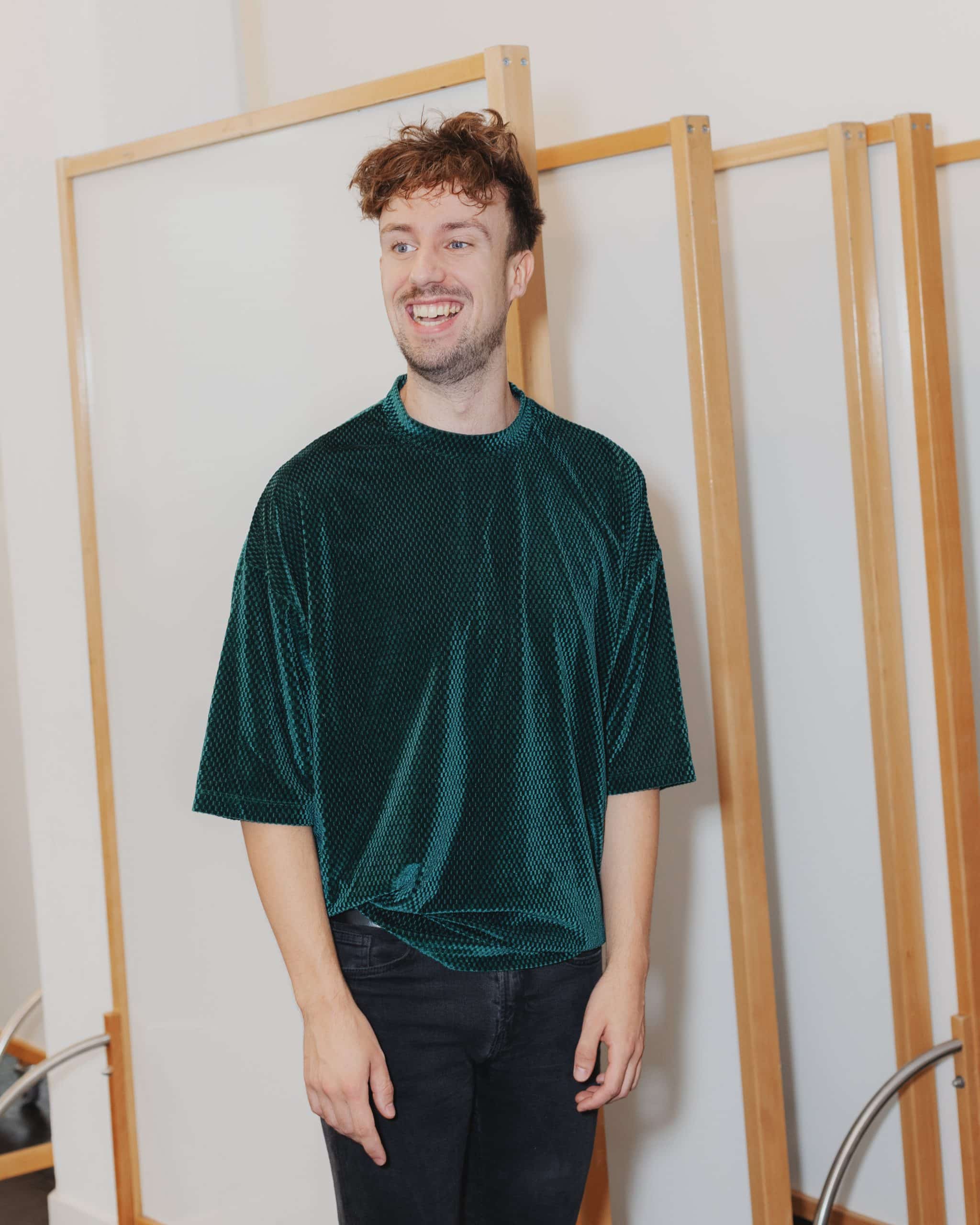
At Dekker Young Groupmapper Jos Mulkens was structurally walking around the workplace. He was at the official meeting, and he took the moments between them. His presence made something much more difficult from a distance: discovering what really is going on.
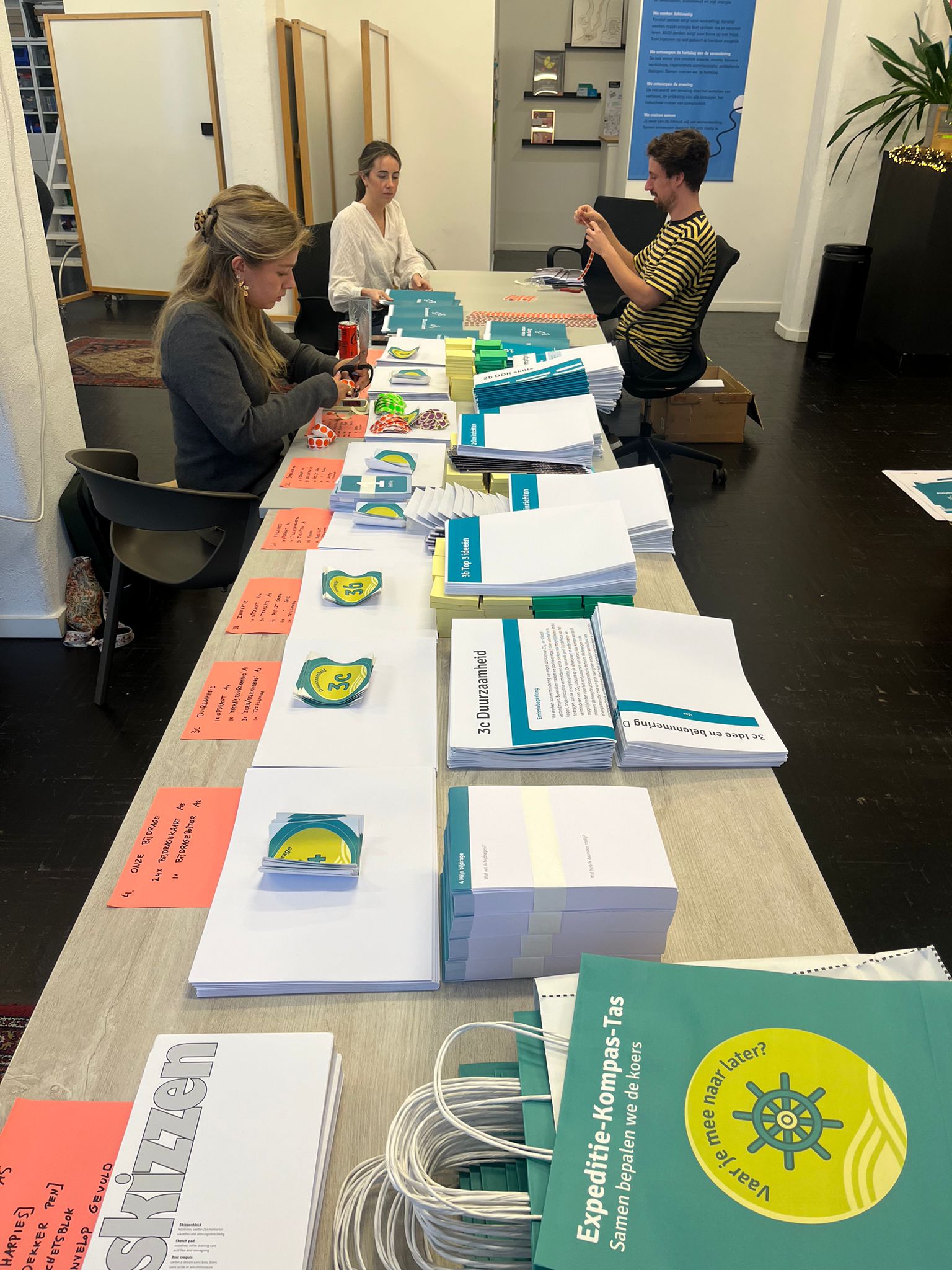
"My structural presence gave me the space to talk to everyone. I felt like I'd been out there for years. Days that didn't seem very productive on paper were in practice. I spoke to everyone face-to-face and helped with small side-commands that allowed us to make big steps."
Jos Mulkens, Young Groupmapper
Being heard is something different than hearing before
The conversations at Dekker showed an important distinction. You can ask employees for input, but they do not feel automatically part of what happens afterwards. To do so, you need to be visible what is done with that input. People need to be able to take responsibility and experience that their contribution really makes a difference.
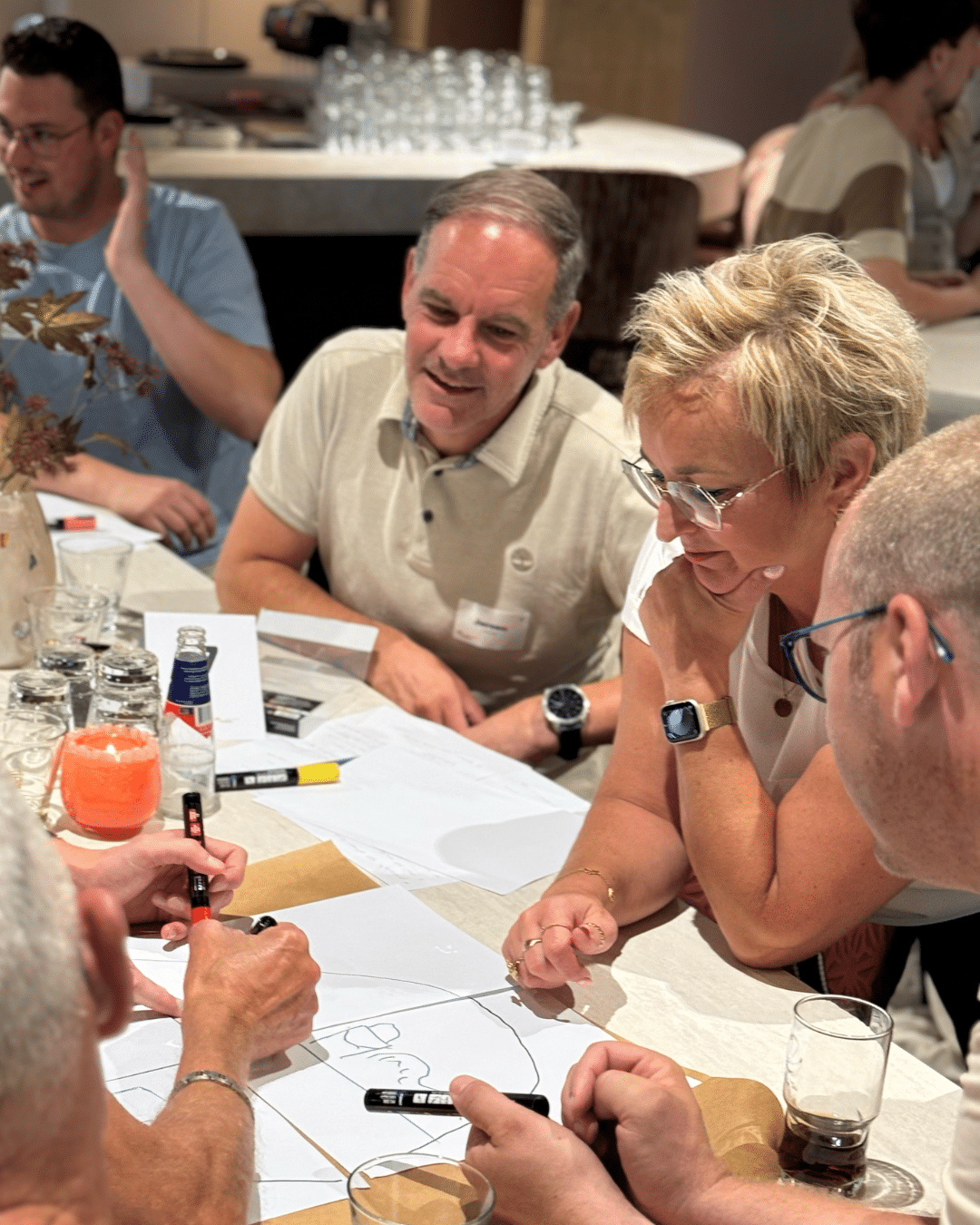
"Groupmapping has led us to the wheel by letting employees think about the course from the start. People felt heard and involved by setting up project teams in which employees themselves started to improve. This made the change not something that happened to them, but something that they themselves owned."
Jolanda van Faassen, HR-Manager at Dekker
Ownership requires letting go
If you want people to take responsibility, you must of course give them that responsibility. That sounds obvious, but in practice it is quite exciting. Because if employees get room to work out ideas themselves, to make conversations and to make choices, predictability disappears.
There are several ways to deal with this situation. At Dekker, for example, internal carers, the 'loodsen', were created, who are responsible for different strategic themes. In addition, an independent activation team came and the managers navigated their people during Expedition Dekker through the strategy through conversations with their teams.
This shifted our own role focussed on this. From first to performing together and finally: getting it done yourself. The latter is the most important part. External guidance works when we make ourselves misfit so that the organisation navigates independently.
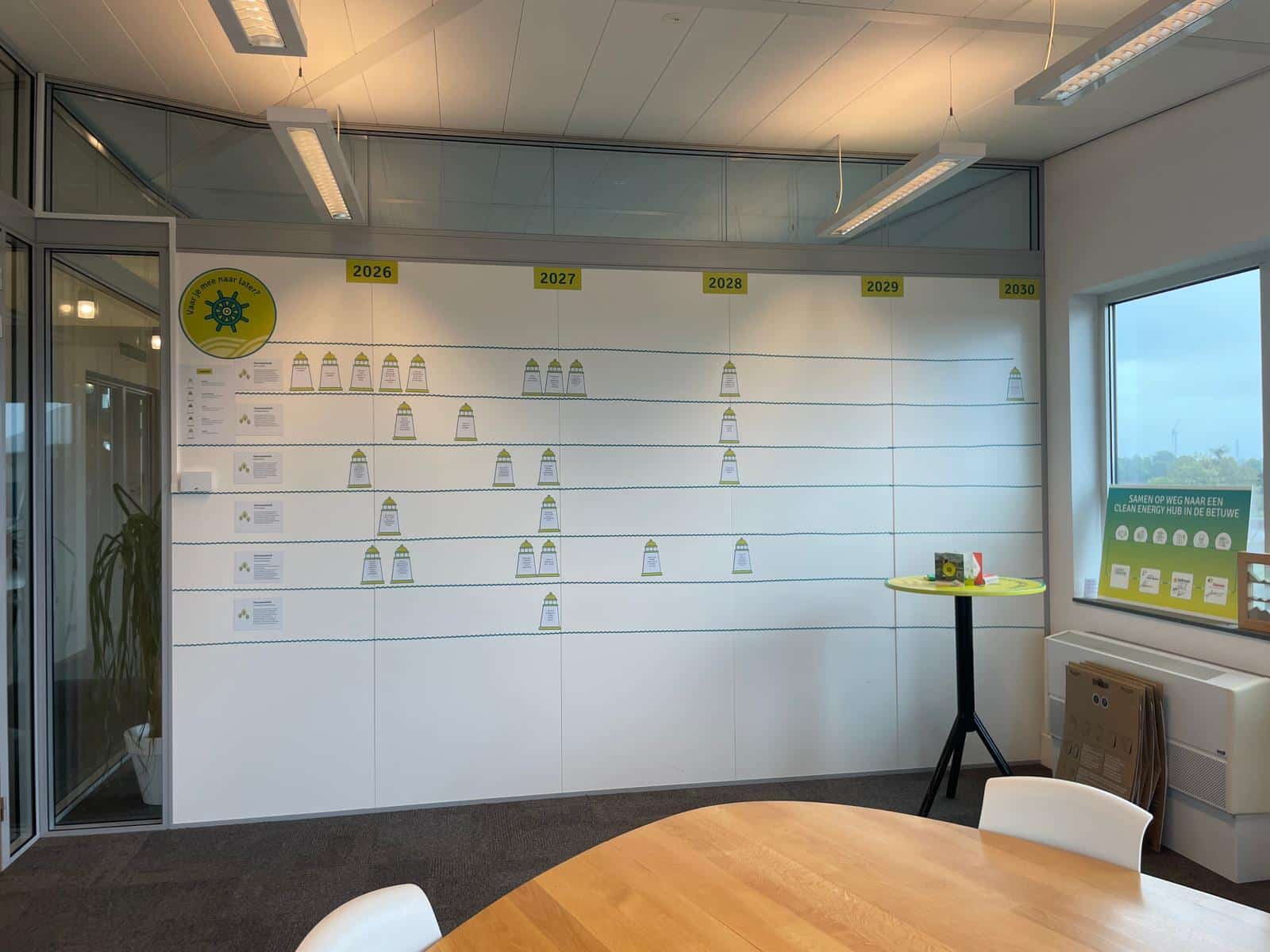
A strategy doesn't have to be devised by everyone to be from everyone.
So we'll get back to that first question: How do we get employees? We do not send for passive compliance, we set the process in such a way that employees from the very first moment add something to take their responsibility.
That doesn't require endless poldering, nor does it require 250 people to make strategic decisions together, especially for sincere curiosity. What do the employees know we don't know yet? And willingness to actually do something with the answer.
"Groupmapping manages to connect people and to enthuse them to actively think and participate. At the same time, they take into account the culture, the people themselves and the goals of the organisation. That is the combination that really makes changes really live."
Jolanda van Faassen, HR-Manager at Dekker
This is the core of our work, and a strategy rarely succeeds through a paper design, and it succeeds when professionals in the workplace make it their own success.